
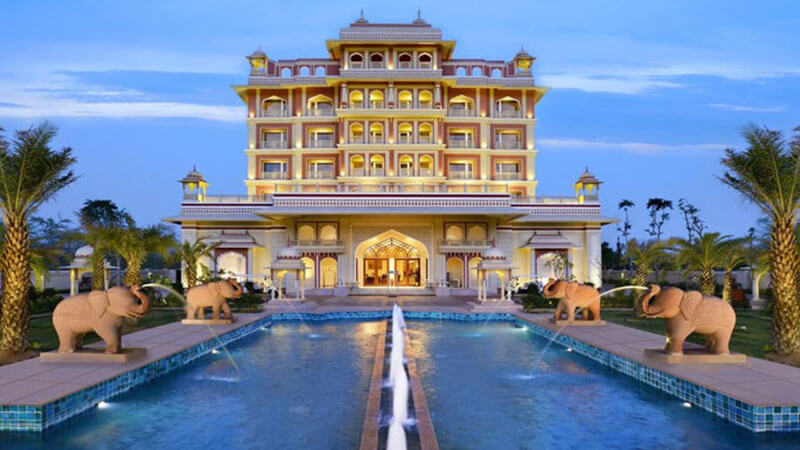
Introduction: The Evolving Art of Hospitality
The concept of hospitality has grown far beyond its original definition of offering shelter and sustenance. In today’s dynamic travel landscape, hotels and resorts have transformed into immersive destinations in their own right. No longer just places to sleep, they now act as curated experiences designed to reflect culture, elevate comfort, and engage the senses. Whether it’s a sleek city hotel catering to business elites or a remote island resort offering barefoot luxury, each property tells a unique story of design, service, and experience.
Understanding the Core: What Defines a Hotel and a Resort?
At their essence, both hotels and resorts provide accommodation. Yet there are critical distinctions in their offerings, scope, and appeal.
Hotels
-
Primarily located in cities or urban centers
-
Tailored for business, transit, or short leisure stays
-
Offer essential services such as dining, concierge, room service, and fitness centers
Resorts
-
Located in scenic or remote locations, often vacation destinations
-
Offer extensive amenities including spas, pools, sports facilities, kids’ clubs, and activities
-
Designed for longer stays with a focus on leisure and recreation
These definitions continue to blur as properties adopt hybrid models to meet a broader range of guest expectations.
A Journey Through Time: The Origins of Refined Hospitality
The lineage of modern hospitality can be traced to ancient civilizations. Greek inns, Roman mansiones, and medieval waystations all served weary travelers. However, the true golden age of hotels began in the 19th century with grand establishments such as London’s Savoy or Paris’s Ritz, offering luxury to the aristocracy. Resorts, meanwhile, emerged during the Victorian era when seaside retreats and mountain lodges became popular among the elite seeking restorative leisure.
Today, the industry marries this rich heritage with cutting-edge innovation to serve a global clientele.
The Modern Traveler’s Expectations
The digital age has ushered in a new breed of traveler—curious, connected, and conscientious. Today’s guests are not merely looking for accommodation; they seek tailored experiences, memorable interactions, and meaningful design.
Contemporary guest preferences include:
-
Personalization: Customized service from room preferences to curated itineraries
-
Technology Integration: Mobile check-ins, smart rooms, and AI-enhanced concierge services
-
Local Connection: Authentic local cuisine, cultural immersion, and community engagement
-
Sustainability: Eco-conscious operations, plastic-free amenities, and green architecture
-
Wellness and Balance: Spa treatments, yoga sessions, nature-based excursions, and healthy dining options
Meeting these expectations requires both strategic foresight and a heartfelt commitment to hospitality.
Categories of Hotels and Resorts
As the travel industry diversifies, so too do the types of accommodations available. Today’s hotels and resorts fall into distinct categories, each catering to specific needs, lifestyles, and occasions.
1. Luxury Hotels and Resorts
-
Often feature exceptional service, opulent interiors, and world-class cuisine
-
Cater to high-net-worth individuals, celebrities, and luxury seekers
-
Examples: The Four Seasons, Aman, The Ritz-Carlton
2. Boutique Hotels
-
Small, design-driven, and often independently owned
-
Emphasize individuality, local art, and creative interiors
-
Ideal for travelers who value charm, intimacy, and authenticity
3. All-Inclusive Resorts
-
Offer everything from meals and drinks to entertainment and activities in one package
-
Favored by families, honeymooners, and travelers seeking convenience
-
Common in coastal destinations like the Caribbean, Mexico, and Southeast Asia
4. Business Hotels
-
Strategically located in commercial districts or near airports
-
Equipped with conference rooms, high-speed internet, and efficient services
-
Designed to meet the needs of corporate travelers
5. Eco and Wellness Resorts
-
Built on sustainable principles and wellness philosophies
-
Often located in natural settings with organic food, spa therapies, and green architecture
-
Encourage reconnection with self and nature
Each type serves a purpose, but together they form the rich mosaic that defines the hospitality landscape.
The Design Language of Comfort and Elegance
One of the most compelling aspects of modern hotels and resorts is their attention to design. Architecture and interiors are no longer just functional—they are narrative-driven, cultural, and emotional.
Key design elements include:
-
Local Materials: Incorporation of regional wood, stone, textiles, and craftsmanship
-
Biophilic Design: Emphasis on nature, greenery, and open-air spaces
-
Art and Identity: Use of local art, sculpture, and storytelling through decor
-
Smart Interiors: Technology that enhances convenience without compromising elegance
Design now serves as an invitation, welcoming guests into a story that extends beyond the property walls.
Service: The Invisible Luxury
While aesthetics and amenities draw attention, it is service that defines a guest’s experience. The best hotels and resorts understand the nuances of hospitality—anticipating needs, offering warmth without intrusion, and turning routine interactions into moments of delight.
Qualities that define exceptional service:
-
Genuine Empathy: Staff who listen and adapt
-
Consistency: Predictable quality across departments and locations
-
Cultural Sensitivity: Respectful engagement with international guests
-
Problem Solving: Quick, thoughtful resolution to concerns
Service is where true luxury reveals itself—not in extravagance, but in attention, care, and intuition.
The Future of Hotels and Resorts
As we look ahead, the hospitality industry stands at the intersection of innovation and tradition. Travelers will continue to seek connection, comfort, and conscience in their stays.
Future trends include:
-
Virtual Reality Previews: Touring rooms and resorts online before booking
-
AI Personal Assistants: Real-time suggestions and itinerary planning
-
Regenerative Tourism: Properties that restore ecosystems and invest in local development
-
Floating and Subterranean Designs: Pushing architectural boundaries for exclusivity and sustainability
The future of hotels and resorts is not merely technological—it is soulful, purposeful, and deeply personal.
Conclusion: Where Journeys Begin and Memories Endure
Hotels and resorts are more than structures of convenience. They are the keepers of moments, the silent witnesses to honeymoons, reunions, business triumphs, and personal discoveries. They offer not only shelter but sanctuary, not only beds but dreams.
As the world changes and travelers redefine their priorities, the finest hotels and resorts will remain those that evolve while preserving the essence of hospitality—warmth, wonder, and welcome. In these spaces, amid luxury or simplicity, we find a rare kind of magic: the feeling of being truly cared for, even far from home.
 Plan Holidays Travel