
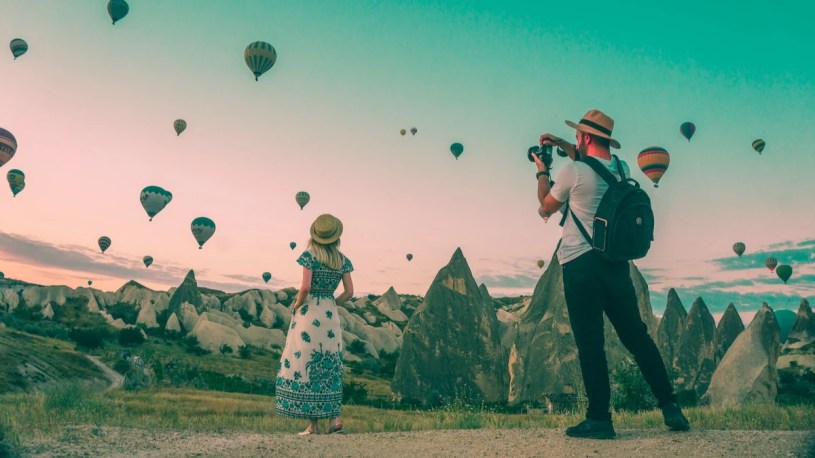
Introduction: Why We Wander
From the early days of nomadic tribes to the modern age of air travel and digital nomadism, the impulse to explore has remained deeply embedded in the human spirit. Travel is far more than a leisurely escape or a stamp on a passport. It is a deeply personal, often transformative experience that reshapes perspectives, challenges assumptions, and enriches our understanding of life and humanity. Whether it’s a short road trip to a neighboring town or a months-long trek across continents, every journey holds the potential to educate, rejuvenate, and inspire.
The Many Faces of Travel
The concept of travel is as diverse as the destinations it encompasses. People travel for various reasons, each one rooted in the search for something—knowledge, peace, adventure, or connection.
Types of travelers and their motivations:
-
The Explorer: Driven by curiosity and a hunger for discovery, often drawn to uncharted paths and lesser-known locales.
-
The Escapist: Seeks refuge from the stress or monotony of daily life, finding solace in unfamiliar surroundings.
-
The Cultural Enthusiast: Dives deep into art, history, language, and tradition, aiming for a rich, immersive experience.
-
The Adventure Seeker: Craves adrenaline-fueled exploits such as hiking, diving, or mountain climbing.
-
The Soul Searcher: Uses travel as a medium for introspection and personal growth, often journeying alone.
Recognizing the diverse motivations behind travel helps us appreciate its nuanced impact on the human experience.
Cultural Literacy: Learning Beyond Borders
One of the most profound gifts of travel is the education it offers—far beyond what textbooks can convey. By stepping into a different culture, we expose ourselves to new worldviews, belief systems, and ways of life. This immersion encourages empathy, open-mindedness, and a more nuanced understanding of global diversity.
How travel broadens cultural awareness:
-
Language Exposure: Picking up local phrases fosters deeper connections and respect.
-
Traditions and Customs: Observing cultural practices firsthand dismantles stereotypes and builds appreciation.
-
Cuisine Exploration: Tasting regional dishes opens doors to understanding a society’s history, resources, and creativity.
-
Community Interaction: Conversing with locals reveals perspectives that often go unnoticed in mainstream narratives.
In a world increasingly polarized by differences, travel acts as a subtle yet powerful bridge-builder.
The Inner Journey: Travel as Personal Transformation
While every destination holds its own wonders, some of the most meaningful journeys occur within the traveler. Travel tests patience, flexibility, and courage. It pulls us from our comfort zones and forces us to adapt, improvise, and reflect.
Personal benefits of travel include:
-
Enhanced Confidence: Navigating unfamiliar territories boosts self-reliance and decision-making skills.
-
Emotional Resilience: Managing delays, language barriers, or missed connections cultivates calm under pressure.
-
Increased Gratitude: Exposure to varying standards of living can inspire a newfound appreciation for one’s own circumstances.
-
Deeper Self-Awareness: Time away from routine encourages introspection and clarity.
Over time, the seasoned traveler learns that the journey’s greatest destination is often a deeper understanding of oneself.
The Importance of Sustainable and Ethical Travel
As the travel industry expands and global tourism flourishes, the need for sustainable and ethical travel practices has become crucial. Popular destinations are facing the adverse effects of over-tourism, such as environmental degradation, cultural dilution, and inflated local economies. Conscious travel is no longer optional—it is essential.
Principles for responsible travel:
-
Minimize Waste: Carry reusable water bottles, bags, and utensils.
-
Respect Local Customs: Dress modestly, ask permission before photographing people, and follow local etiquette.
-
Support Local Economies: Choose locally-owned accommodations, restaurants, and artisans.
-
Travel Off the Beaten Path: Explore lesser-known destinations to ease pressure on overtouristed hotspots.
-
Leave No Trace: Practice environmental responsibility in nature, from trekking trails to beaches.
Travel, when approached mindfully, becomes a force for good—economically, culturally, and environmentally.
Digital Nomadism: The New Face of Travel
With the rise of remote work, the boundaries between work, life, and travel are fading. Digital nomads—professionals who work online while traveling the world—are reshaping how we think about mobility and career.
Advantages of the digital nomad lifestyle:
-
Global Perspective: Working from various countries fosters cultural intelligence and adaptability.
-
Lifestyle Freedom: Greater autonomy over time, location, and work environment.
-
Creative Stimulation: Constant change of scenery often enhances productivity and inspiration.
However, this lifestyle also demands strong discipline, emotional intelligence, and respect for the host culture, especially in regions with fragile infrastructure or limited resources.
Travel in the Age of Technology
Technology has revolutionized the way we travel. From GPS-guided maps and translation apps to online reviews and virtual tours, digital tools make exploration more accessible than ever. While convenience has improved, there is a growing need to strike a balance between connectivity and presence.
Tips for tech-savvy yet mindful travel:
-
Use digital tools for planning, but leave room for spontaneity.
-
Capture moments, but don’t live through the lens.
-
Stay connected, but carve out time to unplug and be present.
-
Share stories, but respect the privacy and dignity of locals.
The most authentic travel experiences often occur when we set aside the screen and fully engage with our surroundings.
Conclusion: Travel as a Timeless Teacher
In every sense, travel is a timeless teacher. It teaches us that beauty is not universal, but subjective. That comfort zones are often prisons in disguise. That humanity, despite its surface-level differences, shares a core of common hopes, fears, and dreams.
Whether we journey for adventure, education, healing, or connection, travel remains a deeply personal act of discovery. It humbles us, stretches us, and—if we let it—transforms us. The more we wander, the more we realize that the world is not something to conquer, but to understand. And in that understanding, we find our truest selves.
So, pack light, travel far, and return not just with souvenirs, but with stories, wisdom, and a renewed sense of what it means to be alive.
 Plan Holidays Travel